Early Childhood Development: Helping Your Child Grow Naturally
Early childhood development is not about rushing your child into reading or counting. It is about playing, talking, moving, creating, and exploring the world together.
by Rebecca Johnson
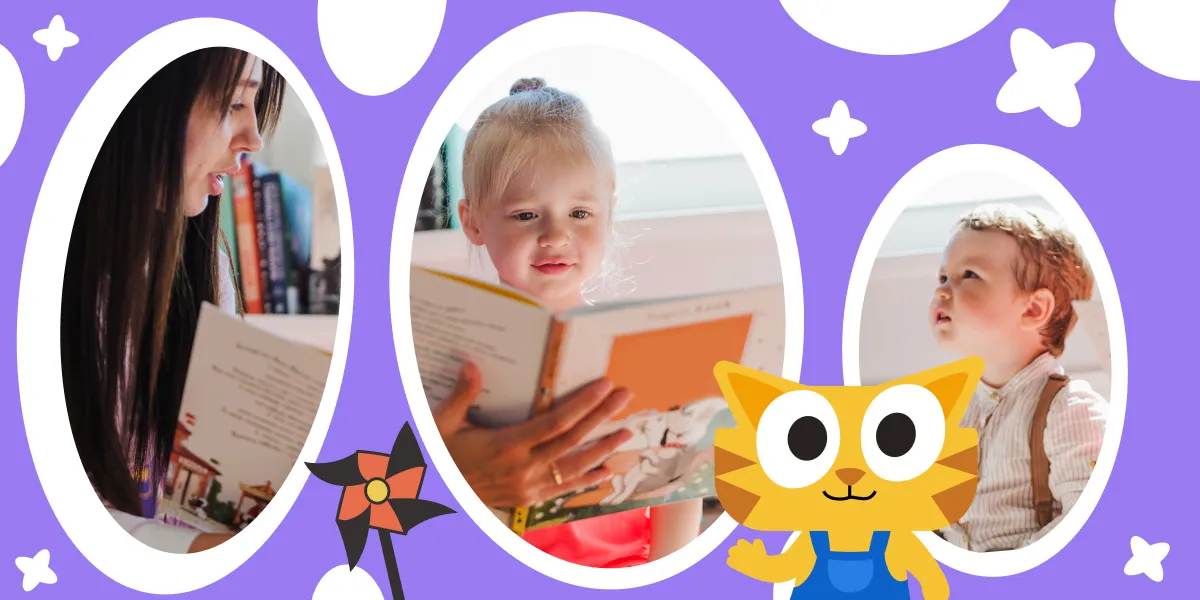

Early childhood development is not about rushing your child into reading or counting. It is about playing, talking, moving, creating, and exploring the world together.
Early childhood development is not about forcing a young child to read, count, or achieve milestones before they are ready.
It is about playing together, exploring the world, touching, noticing, trying new things, and enjoying everyday moments with your child.
When you go for a walk and point out leaves and flowers, play in the sandbox, build a tower with blocks, sing a song, or talk about what you see around you, that is early development.
The most important thing is to support your child’s natural curiosity about the world.
Start talking to your baby from the very first days of life. Describe what you are doing: making breakfast, folding clothes, walking in the park, or choosing fruit at the store.
This kind of everyday conversation helps children develop language, understand the world, and learn how to express their thoughts.
A simple activity is Kitchen Helper. Bring your child into the kitchen while you cook and name the foods, actions, and objects around you.
For example: “Look, this is a red apple. Mommy is washing the apple with water. The water is clean and cool. Now we will cut the apple into small pieces.”
Give your child a chance to explore different materials and textures. Draw with crayons and paint, play with clay or dough, build sandcastles, listen to music, and dance together.
Creative activities help develop imagination, fine motor skills, and emotional expression.
A simple activity is Magic Dough. Make colorful homemade dough and invite your child to shape animals, balls, flowers, or simple figures.
As you play, talk about the colors, the texture, and what your child is creating.
Teach your child to recognize emotions — both their own and other people’s.
When your child is upset, gently explain what may be happening. When your child is happy, share that joy.
Show healthy ways to handle different feelings. Children learn emotional regulation by watching how adults manage their own emotions.
A simple activity is Emotion Mirror. Make different facial expressions and ask your child to guess the feeling. Then let your child copy the expression.
Physical activity is essential for young children. Toddlers can enjoy simple movement games, sensory play, and activities with safe objects under close supervision.
Older preschoolers can run, jump, roll, climb, dance, and play with a ball.
Movement helps develop not only the body, but also coordination, attention, and brain development.
A simple activity is Indoor Obstacle Course. Create a safe obstacle course at home using pillows, blankets, boxes, and soft toys.
There is no need to follow only one child development method. Every child has their own pace, interests, and personality.
Try different activities and notice what your child enjoys most.
Build your own approach based on your child’s needs, not on pressure or comparison.
A simple activity is Discovery Day. Try a new activity each day: finger painting, sensory play, music, dancing, reading, or building with blocks.
Give your child simple opportunities to make decisions. Let them choose clothes, a toy for a walk, a book before bedtime, or what game to play next.
Allowing children to make small choices helps build independence, confidence, and responsibility.
A simple activity is Little Planner. In the evening, invite your child to choose clothes for the next day, pick a toy for a walk, or decide what activity they would like to do.
Discuss the choice calmly. Do not criticize. Instead, help your child think through simple consequences.
Modern education includes several well-known approaches to early childhood development.
The Montessori Method is based on child-led choice and a carefully prepared learning environment.
The Nikitin Method focuses on physical and intellectual development through play.
The Glenn Doman Method emphasizes early reading, math, and memory-based learning.
The Zaitsev Method uses cubes and charts to teach reading and counting.
Waldorf Education focuses on imagination, creativity, rhythm, and free play.
There is no single perfect method for every child. A flexible approach often works best: take useful ideas from different systems and adapt them to your child.
Early development includes several important areas.
Sensory development helps children learn about colors, shapes, sizes, textures, and temperatures.
Fine motor skills develop through drawing, playdough, sorting safe objects, buttoning, lacing, and puzzles.
Language development grows through books, songs, rhymes, stories, picture descriptions, and word games.
Physical development includes active games, dancing, gymnastics, crawling through obstacles, ball games, and jumping.
Musical development includes singing, simple instruments, rhythm games, listening to music, and moving to the beat.
Social and emotional development includes playing with other children, learning to share, expressing feelings, understanding others’ emotions, and joining group activities.
With a healthy and balanced approach, early development can help children build curiosity, improve memory and attention, and develop better coordination.
It can also strengthen communication skills, support independence, and encourage creative thinking.
The goal is not to create pressure or chase achievements. The goal is to help your child explore the world with confidence, joy, and emotional security.
Early childhood development is not a race for achievements. It is about creating a warm, safe, and stimulating environment where your child can grow naturally. The most important things are balance, play, movement, creativity, rest, emotional connection, and your loving attention.
Yes, but early development should be gentle, natural, and age-appropriate. It should happen through play, everyday conversations, movement, creativity, and emotional connection.
Only if your child shows interest and enjoys it. Early development is not about forcing academics. For young children, play, language, movement, creativity, and emotional safety are more important than pressure to achieve.
There is no single best method for every child. Montessori, Waldorf, Doman, Zaitsev, and other approaches all offer useful ideas. The best choice is the one that fits your child’s personality, interests, and pace.
Talk to your child, read books, sing songs, draw, play with blocks, go outside, create simple obstacle courses, explore textures, and let your child make small choices. Everyday moments can become powerful learning opportunities.
The most important part is your presence, love, and attention. Children learn best when they feel safe, supported, curious, and free to explore the world through play.